Final pictures from Lullingstone Country Park walk, again you will need to login and see.
Author: Michael James
-
Week 57 – April 12th – Week 1 of lockdown easing phase 2
Some more pictures from the Lullingstone Country Park walk
Your have to login to see.
-
Week 57 – April 12th – Week 1 of lockdown easing phase 2
Some more pictures from Lullingstone Country Park walk, but your need to login to see.
-
Week 57 – April 12th – Week 1 of lockdown easing phase 2
We returned to Lullingstone Country Park and on a different route came across this viaduct.
Some information about it
This impressive nine-arched red-brick viaduct is a prominent feature on the line to the delightfully-named “Bat & Ball” station. The structure was built by the independent “Sevenoaks Railway”, incorporated in 1859 to link the “Chatham” main line with the market town of Sevenoaks.
The branch was initially single-track, seeing its first services on 2nd June 1862, but the viaduct was built to accommodate two tracks from the outset, because the line was doubled in the following year.
A Maidstone extension from Otford opened on 1st June 1874, this again single-track, but following in the footsteps of the original Bat & Ball line, this was soon doubled, two-track working commencing on 11th August 1875.
The viaduct has nine arches of 30-foot span, and rises to a height of 75-feet above the valley.
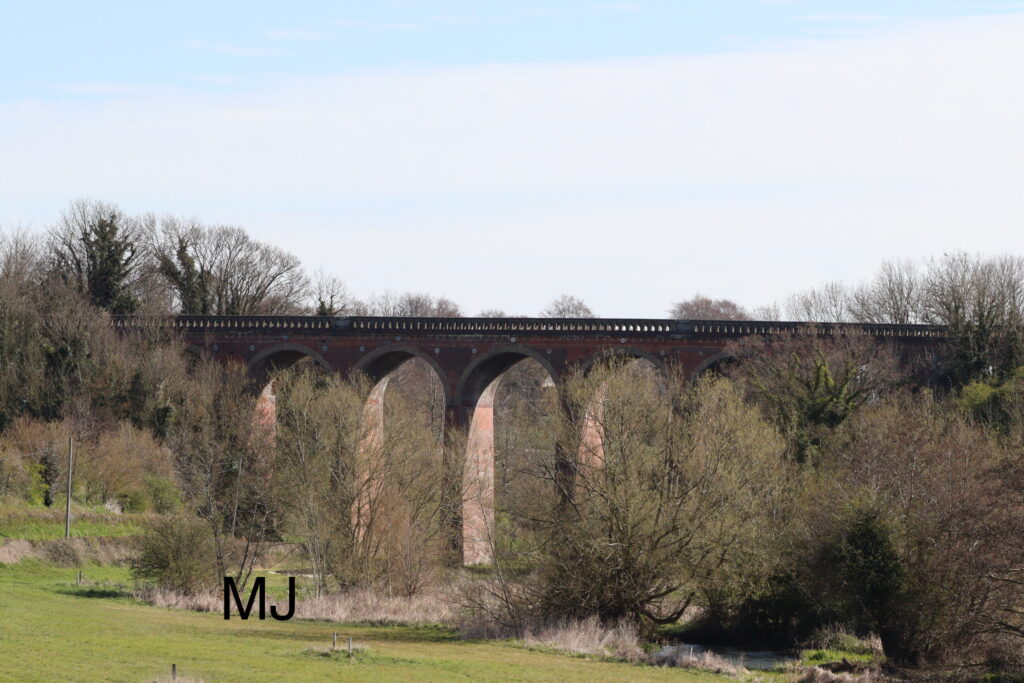
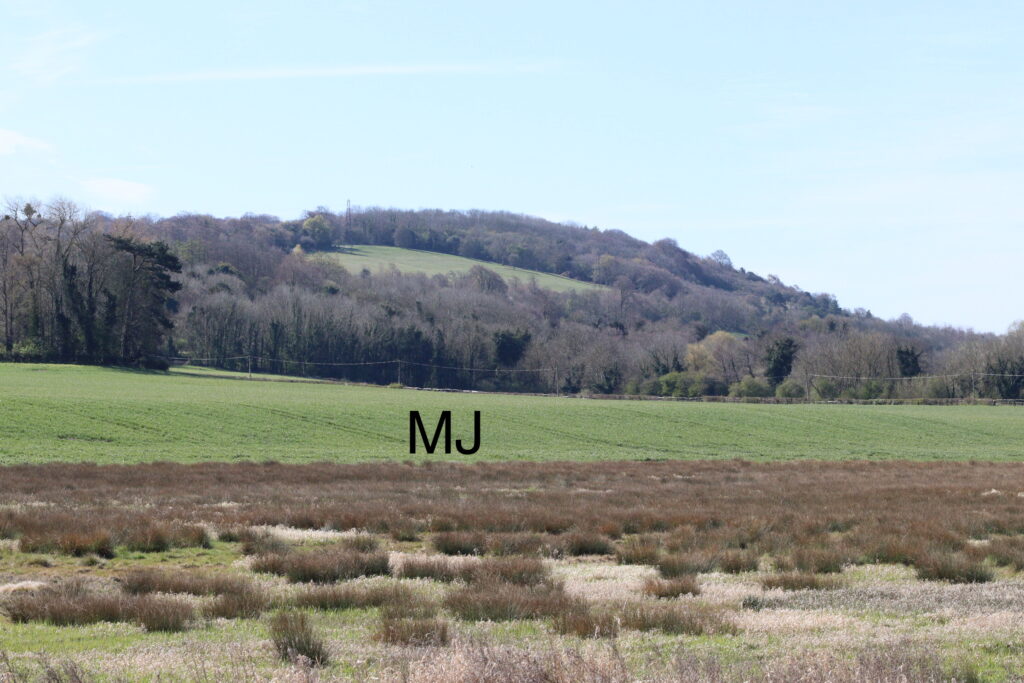
Capturing the lovely scenery and blue sky on this Lullingstone walk. 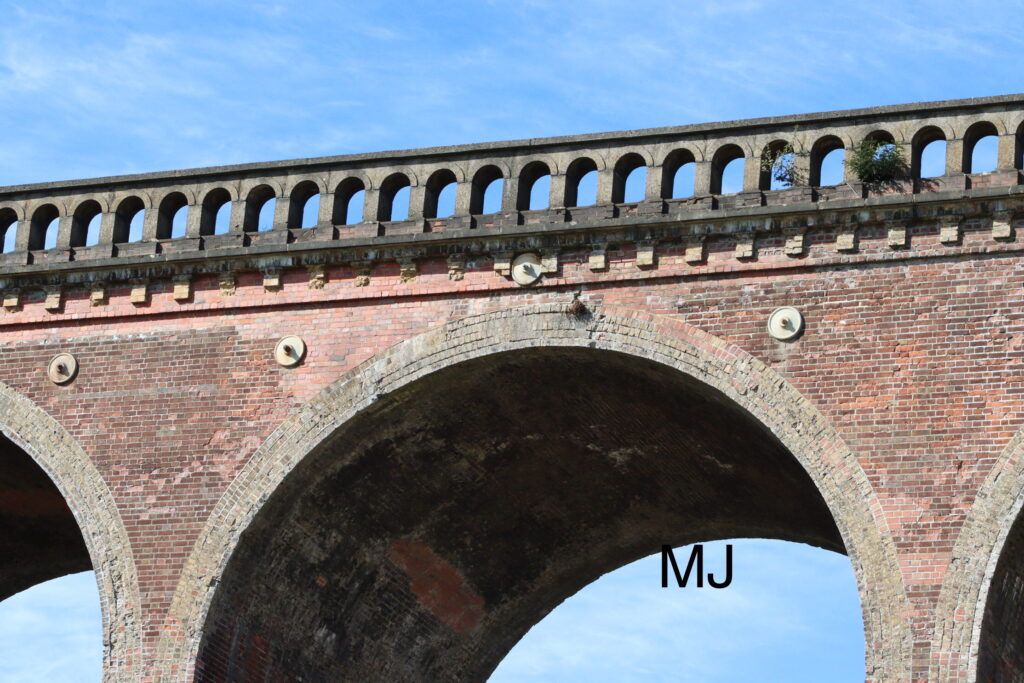
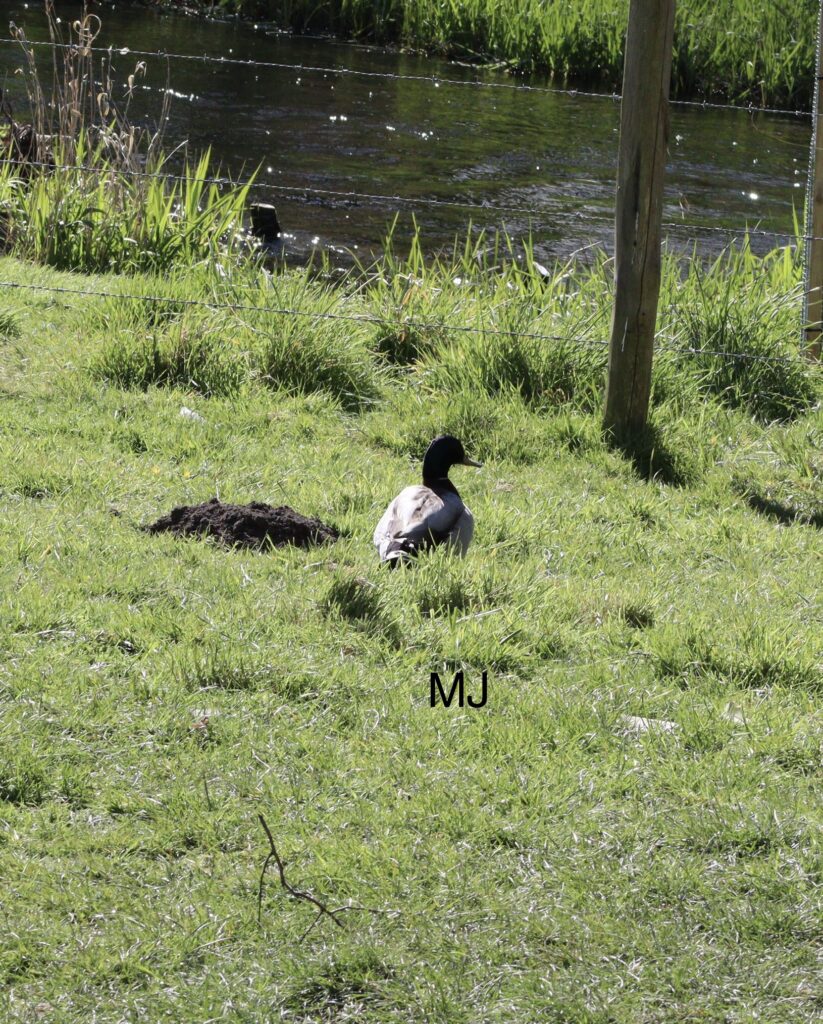
Duck near the river Darenth -
Week 57 – April 12th – Week 1 of lockdown easing phase 2
This week work started on our bathroom, the wooden ceiling and tiles were taken down and room plastered. Looks different already.
The holes in the ceiling are for the new spot lights.
Look out for further updates on the work.
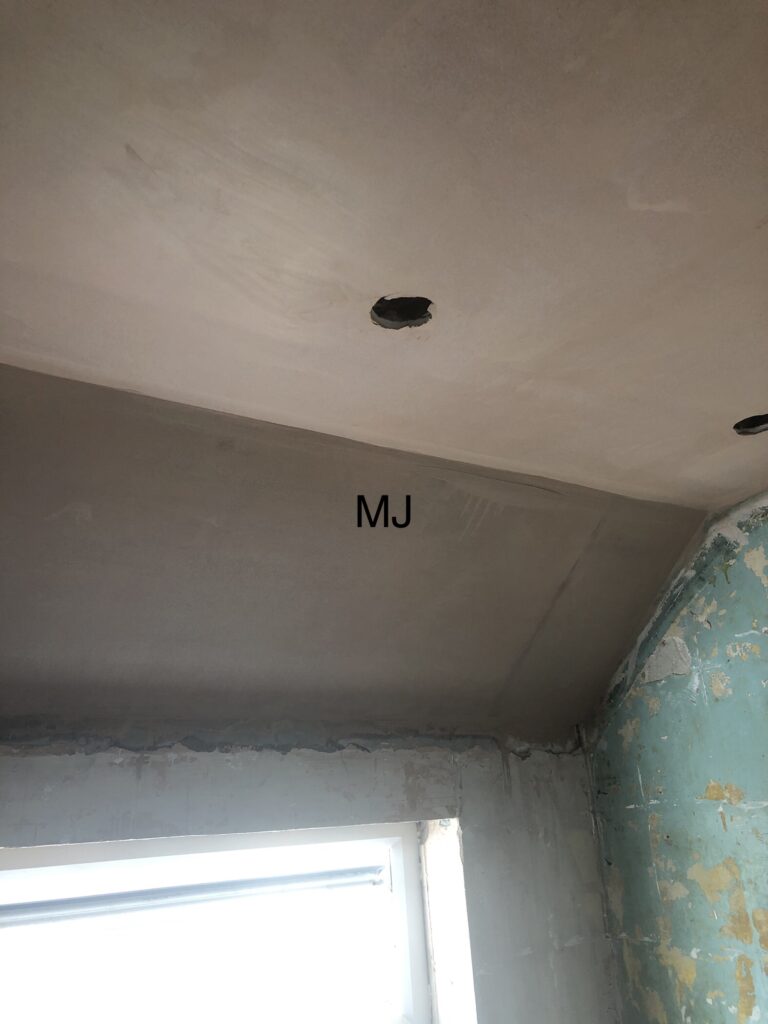
New plaster ceiling ready for the new spot lights. 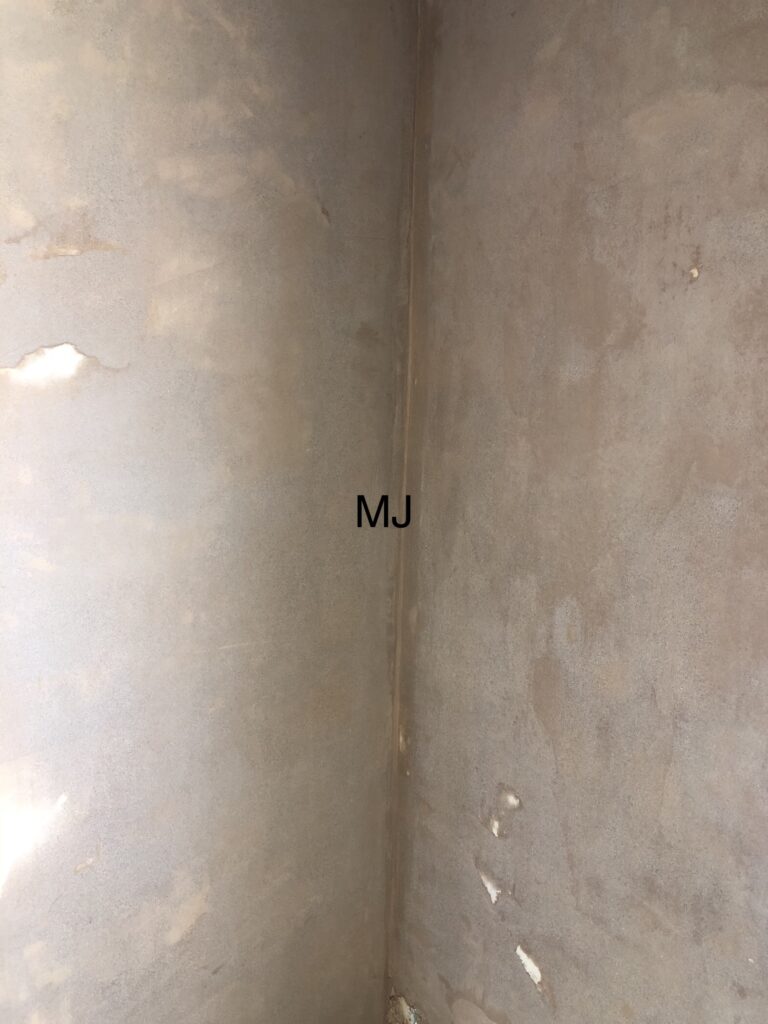
-
Week 57 – April 12th – Week 1 of lockdown easing phase 2
Just a small video of a new feature in the garden.
-
Week 57 – April 5th – Week 2 of lockdown easing phase 1 part 2
More pictures from Knole Park, but you will need to login to see.
-
Week 57 – April 5th – Week 2 of lockdown easing phase 1 part 2
Another day another visit to our lockdown escape place Knole Park.

Of course, just eating, 

So cute. -
Week 57 – April 5th – Week 2 of lockdown easing phase 1 part 2
ECB cricket course I pass my safe guarding part of the course with 100%.
You have to be so careful working with children. It was a huge lesson for me, things that I did back when I was a child you couldn’t get away with now. As the world changed that much?
-
Week 57 – April 5th – Week 2 of lockdown easing phase 1 part 2
Buckingham Palace announced that Prince Phillips has passed away today.
The duke, aged 99, was the longest-serving consort in British history.
In a statement shortly after midday, the palace said: “His Royal Highness passed away peacefully this morning at Windsor Castle.”
A notice was posted on the gates of Buckingham Palace following the announcement.
Prince Philip of Greece was born on 10 June 1921 on the island of Corfu. His birth certificate shows the date as 28 May 1921, as Greece had not then adopted the Gregorian calendar.
With war looming, Prince Philip decided on a military career. He wanted to join the Royal Air Force but his mother’s family had a seafaring tradition and he became a cadet at the Britannia Royal Naval College, Dartmouth.
While there he was delegated to escort the two young princesses, Elizabeth and Margaret, while King George VI and Queen Elizabeth toured the college.
According to witnesses, Prince Philip showed off a great deal. But the meeting made a deep impression on the 13-year-old Princess Elizabeth.
Philip quickly proved himself an outstanding prospect, passing out at the top of his class in January 1940 and seeing military action for the first time in the Indian Ocean.
By October 1942, he was one of the youngest first lieutenants in the Royal Navy, serving on board the destroyer HMS Wallace.
The day before the marriage ceremony, King George VI bestowed the title of His Royal Highness on Philip and on the morning of the wedding day he was created Duke of Edinburgh, Earl of Merioneth and Baron Greenwich.
The wedding took place in Westminster Abbey on 20 November 1947. It was, as Winston Churchill put it, a “flash of colour” in a grey post-war Britain.
The duke returned to his naval career and was posted to Malta where, for a while at least, the couple could live the life of any other service family.
Their son, Prince Charles, was born at Buckingham Palace in 1948, and a daughter, Princess Anne, arrived in 1950. They were later joined by Prince Andrew (1960) and Prince Edward (1964).
On 2 September 1950, he achieved the ambition of every naval officer when he was appointed to his own command, the sloop HMS Magpie.
Philip took leave from the Royal Navy in July 1951. He never returned in an active role.
Prince Philip, Duke of Edinburgh, was a strong-willed and independent man who found himself at the centre of British society.
The duke retired from public life in August 2017 after decades supporting the Queen and attending events for his own charities and organisations.
Buckingham Palace calculated he had completed 22,219 solo engagements since 1952, and Theresa May, the then prime minister, thanked him for a “remarkable life of public service”.
Philip celebrated his 70th wedding anniversary later that year.
A lifelong cricket fan and talented allrounder in his playing days, the Duke served two terms as MCC President from 1949-50 and 1974-75 and becoming an honorary life member.
The Duke became Patron and Twelfth Man of the Lord’s Taverners in 1950, the same year the charity was founded. He also served as the President of the charity for two years between 1960-61.
He was instrumental in introducing the Lord’s Taverners ECB Trophy which is presented annually to the county champions. The trophy was introduced in 1973 with the Duke recognising that until that time, the champions had never received a physical trophy.